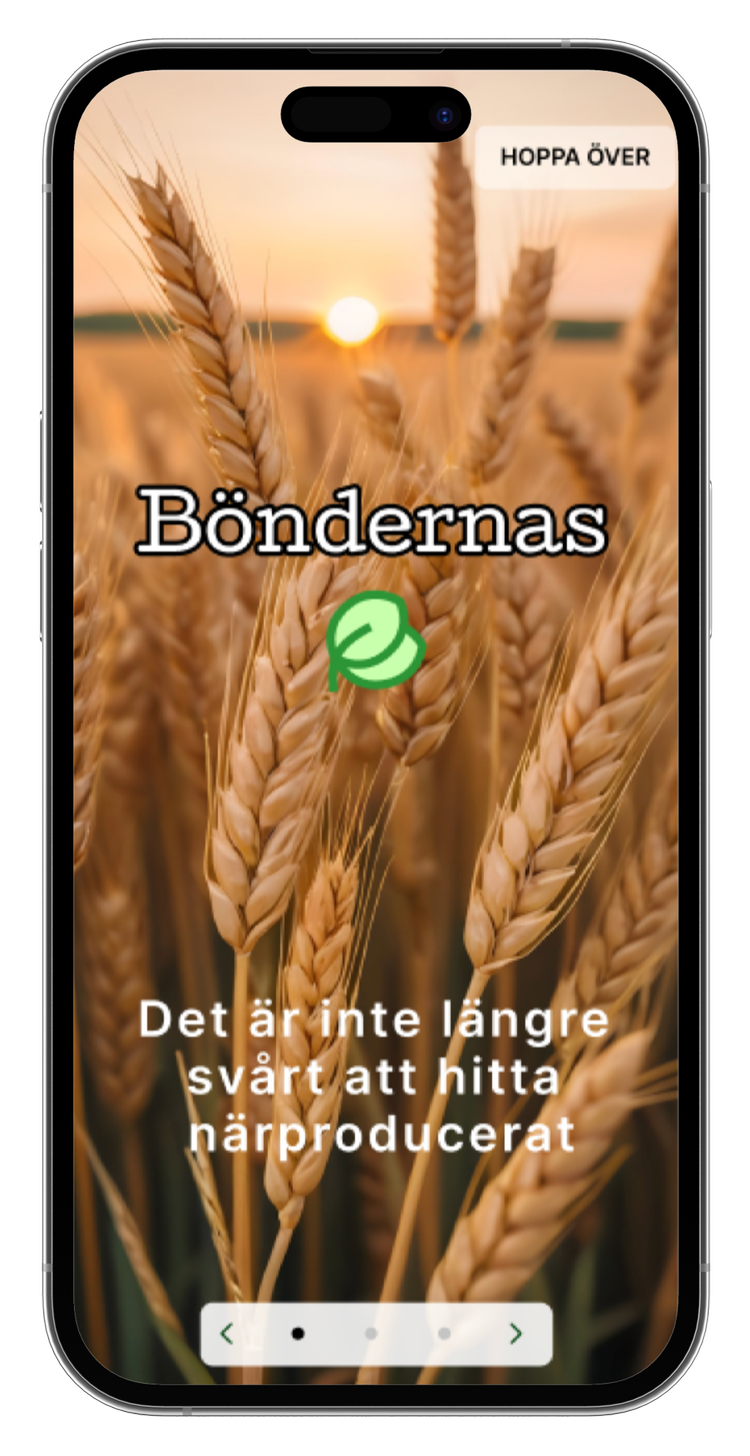
Böndernas
This design project was developed as part of a Participatory Design project and focused on sustainable consumption.
The goal was to involve users throughout the design process to better understand their behaviours and needs related to sustainable food shopping.
The target audience included adults aged 20–50, with a particular focus on users who are interested in sustainable living
Design Process
Method Description: Contextual inquiry was chosen to understand the real-world challenges users face when trying to shop sustainably.
Implementation: Three participants (aged 25, 29 and 35) were observed during grocery shopping. They were asked to think aloud while shopping, and follow-up questions were asked. Observations were documented in a notebook and through audio recordings.
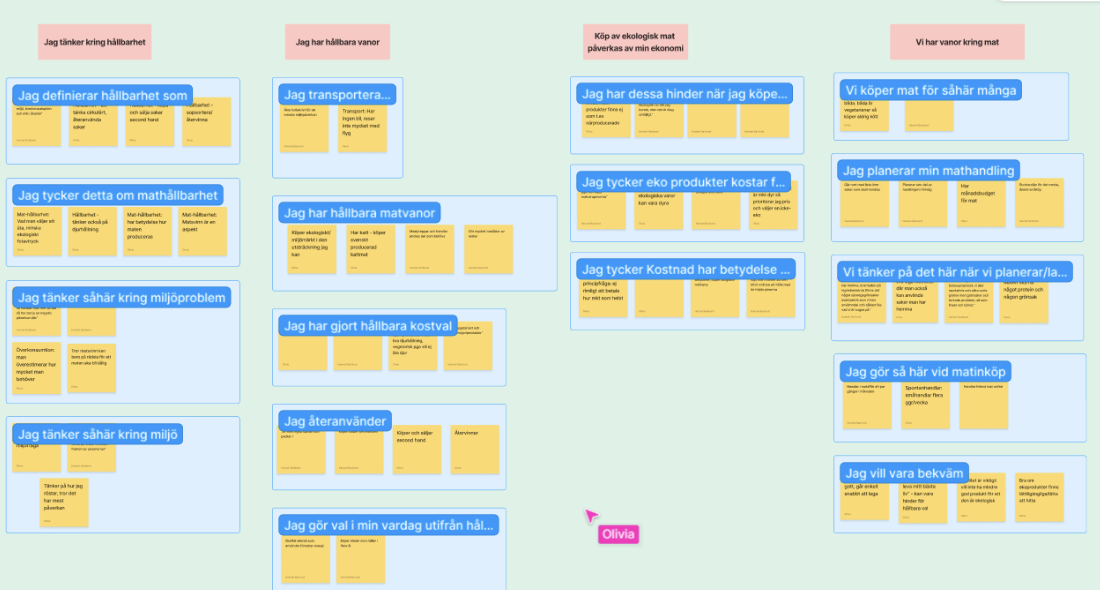
Data was later transferred to FigJam and organized using an affinity diagram.
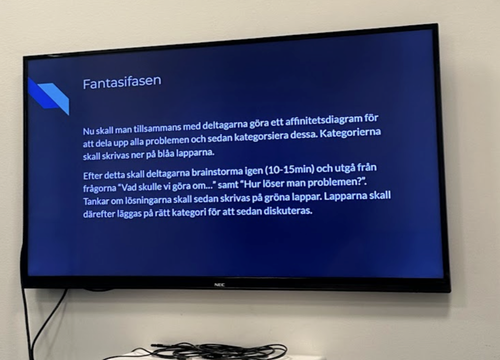
Define and Ideate ( Future workshop)
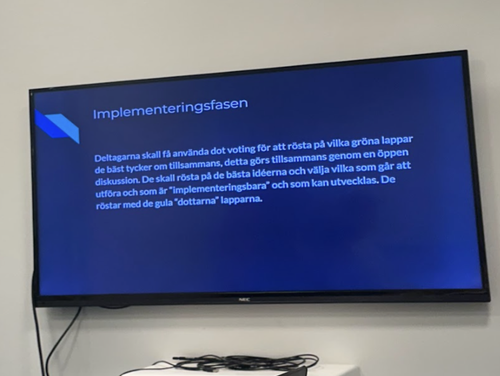
The Future Workshop consisted of four phases: Criticism, Fantasy, Implementation and Follow-up.
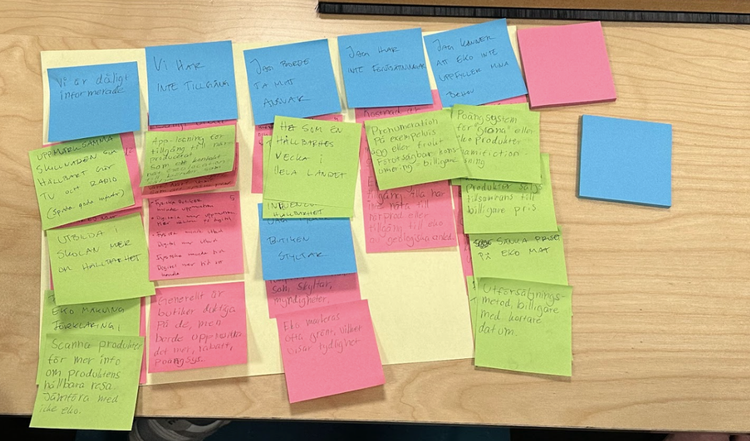
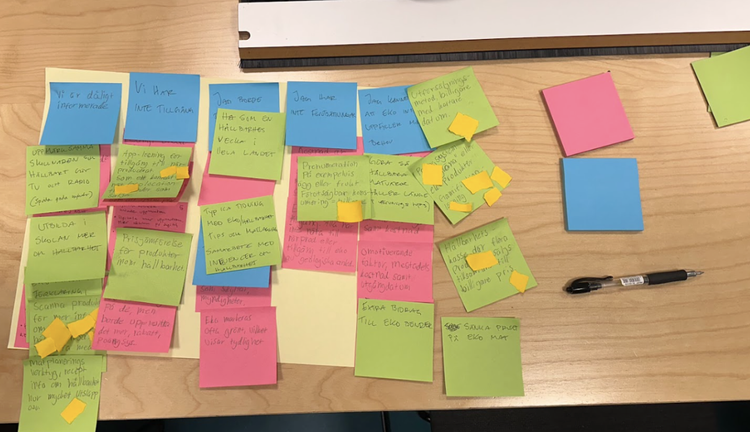
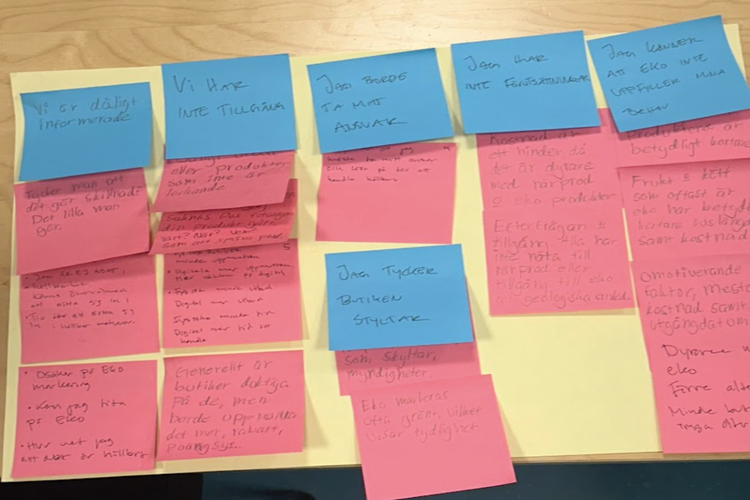
Implementation: A workshop was held with three participants. The group identified problems and brainstormed solutions using post-it notes in various colors. Dot voting was used to prioritize solutions.
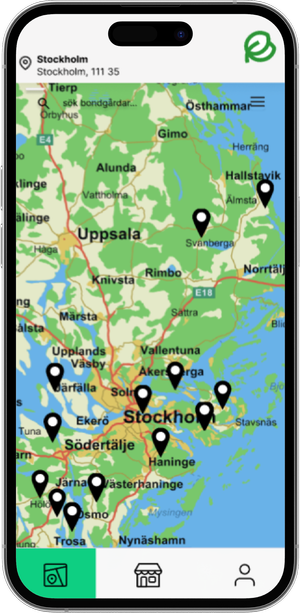
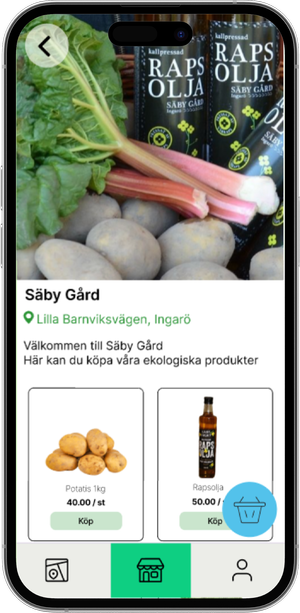
Key concepts generated included: a point system for eco-friendly shopping, a product scanning feature, an app to connect users with local producers, and a reusable sustainability bag.
Develop Phase (Prototyping with Participants )
Method Description: This phase involved turning conceptual ideas into low-fidelity prototypes. Participants visualized solutions using sketches and paper interfaces.
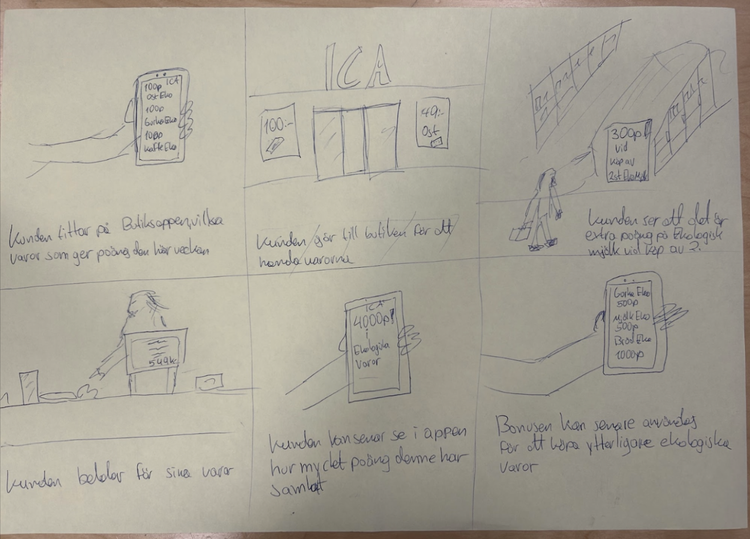
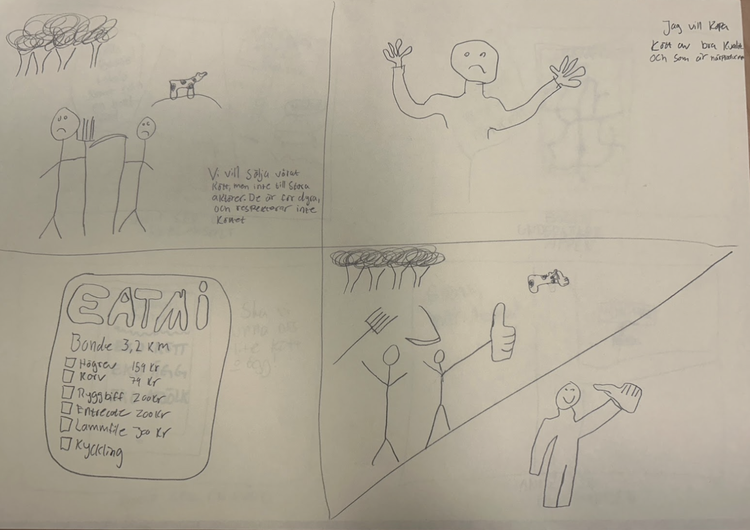
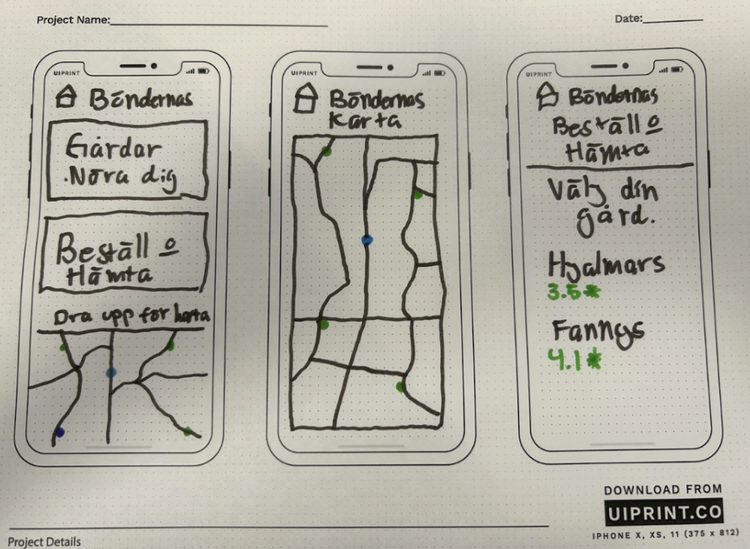
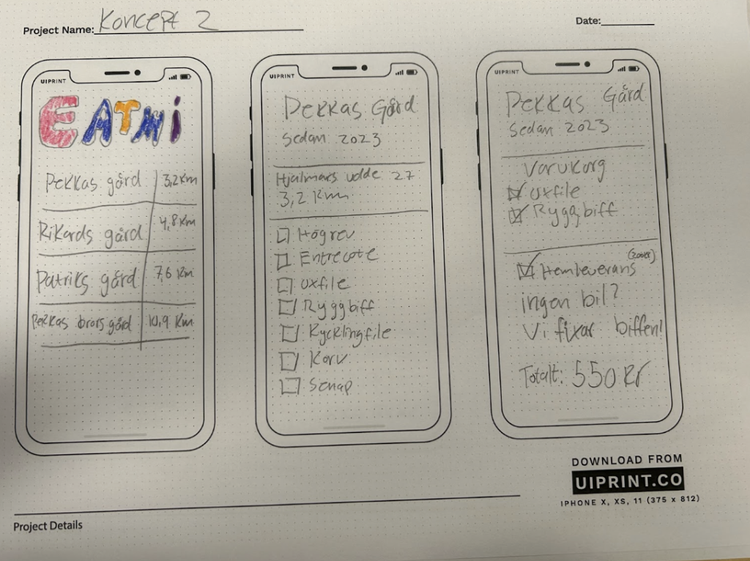
Implementation: A workshop was conducted with three participants. They prioritized two of the four original concepts and developed storyboards and scenarios. Lo-fi prototypes were then created on paper.
Testing Phase ( Prototype Evaluation )
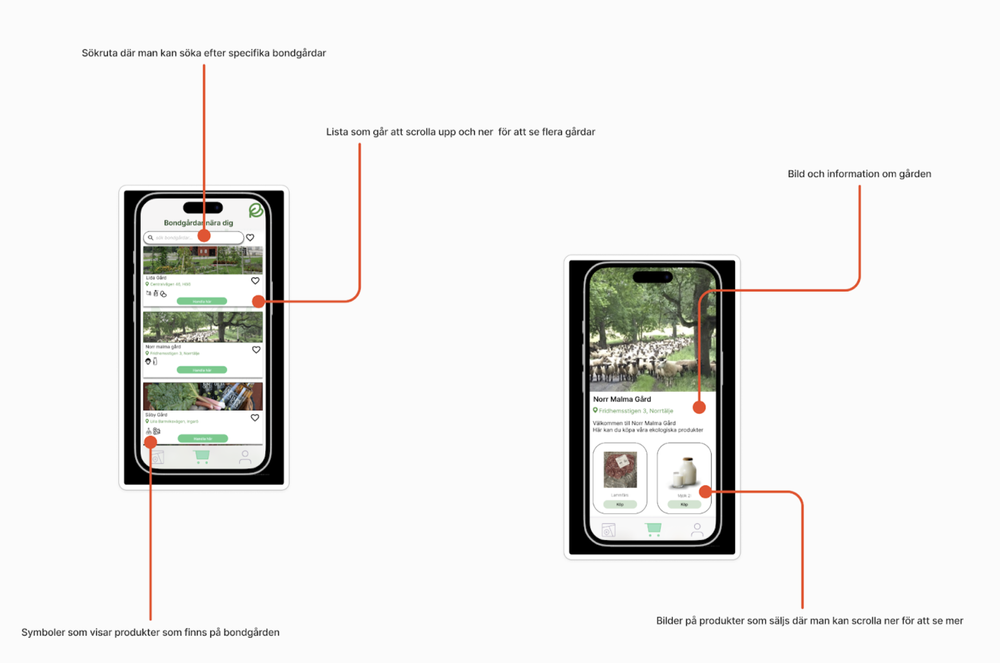
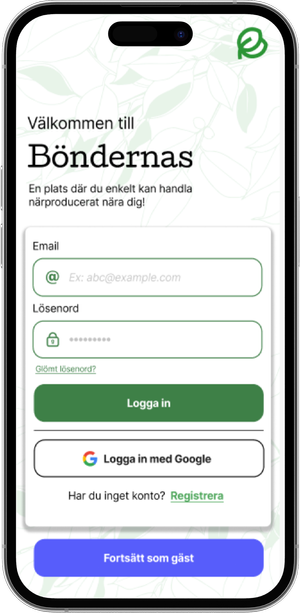
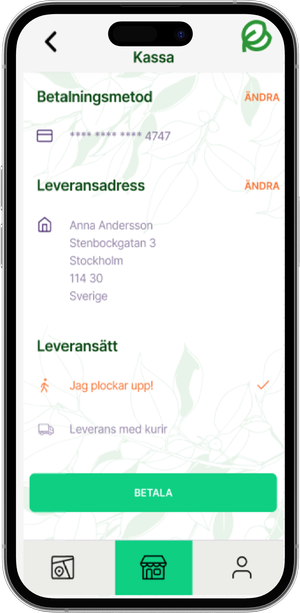
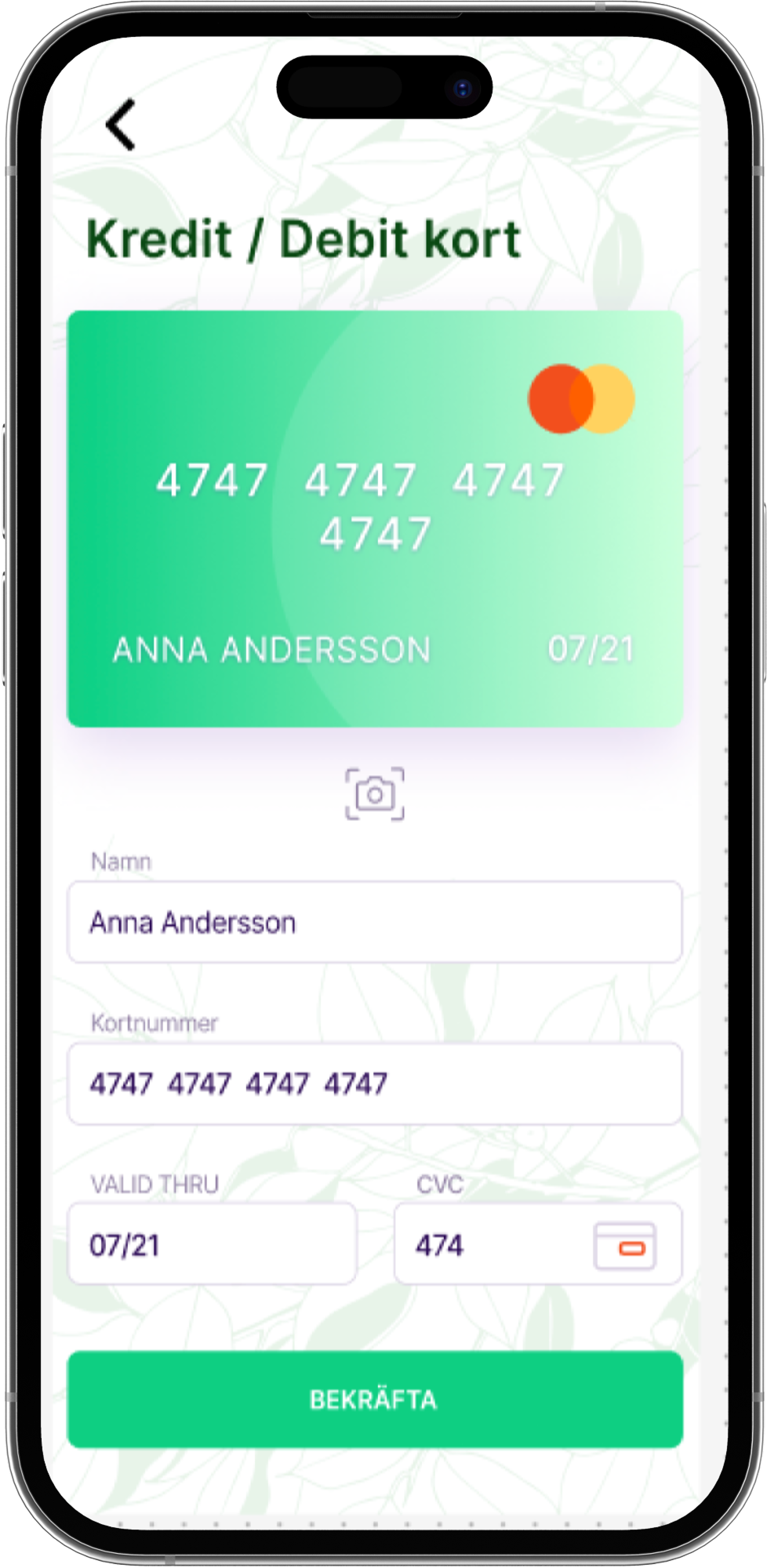
Method Description: Two prototypes, "Eko-Points" and "Böndernas," were tested using think-aloud protocols. Users evaluated usability and alignment with project goals.
Implementation: Testing was conducted in person and remotely due to participant illness. Tasks included exploring features and providing feedback through structured questions and discussions.
Discovery Phase
The observations revealed tensions between sustainable goals and practical considerations such as cost and availability. There was a perceived conflict between environmental and social sustainability goals. This phase helped frame the project's vision and identify real user needs. The process highlighted ethical concerns, including privacy and informed consent, and underscored the importance of genuine user involvement.
Reflection
Define & Ideate Phase
Key concepts generated included: a point system for eco-friendly shopping, a product scanning feature, an app to connect users with local producers, and a reusable sustainability bag. The workshop facilitated rich ideation and collaborative creativity. It demonstrated the importance of trust and comfort among participants, and how this openness shaped both individual and collective creativity.
Develop Phase
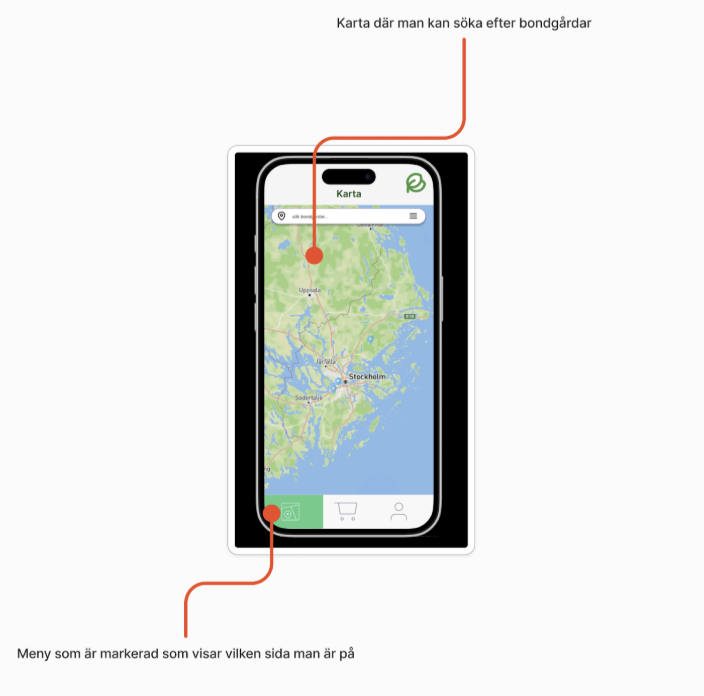
Resulting features included a GPS map to locate producers, a points system, and a list of eco products. The process provided insight into usability and feature relevance. Sketching was effective in making ideas tangible. While limited participation (only male participants) was a constraint, it emphasized the need to adapt to real-world challenges and include diverse perspectives in future phases.
Test Phase
Participants offered valuable feedback on usability and design clarity. Suggestions included enhancing navigation, feature clarity, and differentiating the app from existing solutions. Encouraging honest critique was initially challenging due to users’ previous involvement. Presenting multiple prototypes helped mitigate this bias. Future tests should involve more participants to ensure robust insights